
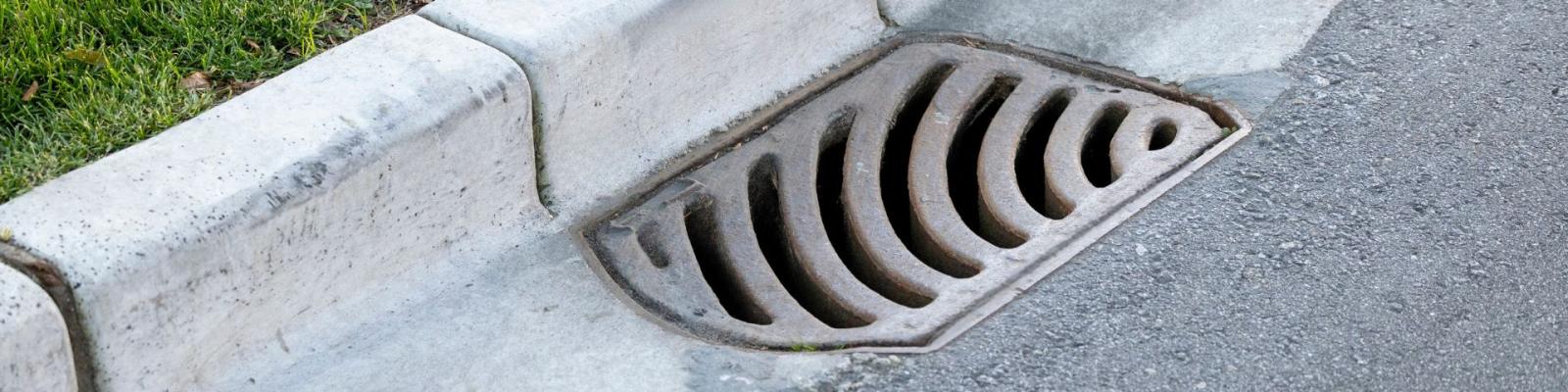
Did you know what flows into storm drains directly impacts our streams and rivers in Port Coquitlam? Unlike wastewater from sinks and toilets, which travels to a treatment plant, any substance entering a storm drain flows directly into local streams, rivers, and ultimately, the ocean — without any form of treatment. This means pollutants can have an immediate and direct impact on ecosystems.
Storm drains are exclusively for rainwater run-off.
Our waterways serve as vital habitats for fish and wildlife, significantly contributing to the overall health of the local environment. Imagine pouring soap, oil, or chemicals down your storm drain. It might seem harmless, but these substances, along with pet waste and litter, become a real threat to our aquatic friends. They can suffocate fish, destroy their habitats, and introduce dangerous toxins into the water.
How Can You Help?
- Always dispose of pet waste in the trash: Pet waste carries bacteria that harm waterways.
- Wash car at a commercial car wash: When washing a car, aim for a grassy area where the water can soak into the soil, or better yet, visit a commercial car wash.
- Dispose of hazardous materials properly: Motor oil, paint, cleaning products like bleach, chemicals and other hazardous materials should never go down any drain. For further disposal information, contact the BC Recycling Hotline.
- Always place trash in appropriate bins: Even a small piece of litter can be carried by rain into a storm drain and end up polluting our streams.
- Don’t drain hot tubs/pools into storm drains: When draining a swimming pool or hot tub, water should be discharged directly into a drain connected to the sanitary sewer system, not a storm drain.
- Dispose of fats, oils, and grease (FOG) properly.
Hazardous Household Products
These common household products are particularly hazardous to our streams.
| Chemicals & Cleaning Products | Paints and Solvents | Automotive Products | Pesticides |
|---|---|---|---|
| Bleach | Paints | Motor oil | Disinfectants |
| Detergents | Shellacs | Antifreeze | Insecticides |
| Drain and toilet cleaners | Lacquers | Brake fluid | Fungicides |
| Rug and upholstery cleaners | Varnishes | Carburetor cleaner | Rodenticides |
| Leather preservers | Enamels | Gasoline | Herbicides |
| Dry cleaning agents | Paint thinners | Gasoline additives | Molluscides |
| Car wash detergent | Paint and varnish strippers | Transmission fluid | Wood preservatives |
| Polishing agents | Rustproof coatings | Degreasers | |
| Pool/hot tub water (Chlorine) | Sealers |
Business Best Management Practices
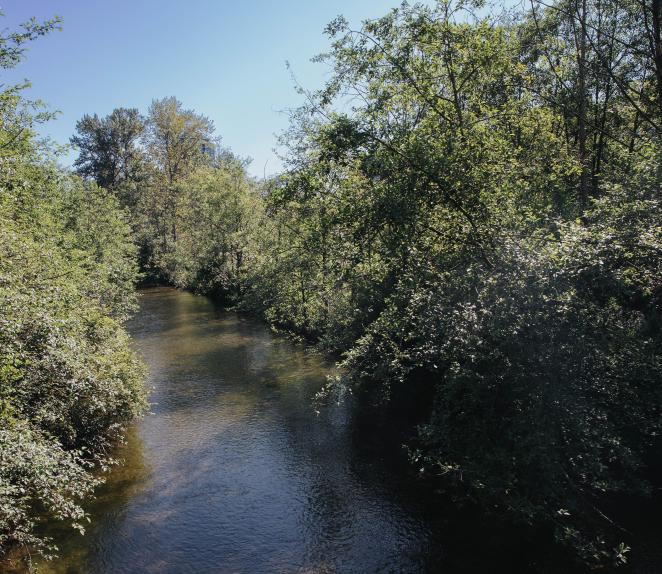
Storm drain contamination is a particularly important issue in Port Coquitlam. The roadside and parking lot storm drains are separate from the sanitary sewer. Therefore, these storm drains discharge untreated into Port Coquitlam’s 30 km of open creeks and streams. These creeks form an important network of watercourses, which provide natural habitat for salmon, trout, and other aquatic life.
Best Management Practices
To prevent contaminants from entering the storm drain system and ultimately our creeks and rivers, we suggest that you implement the following best management practices. Please refer to the links on the left hand side of this page for information that is specific to your business.
Storage and Disposal
Store cleaning and deodorizing chemicals, polishing compounds, solvents, acids and caustics in a secure area where spills will be contained and will not enter the drainage or the sanitary sewer systems.
Certain chemicals may require special disposal. Follow the manufacturer’s directions for disposal of all products. For further disposal information, contact the manufacturer, the BC Recycling Hotline at 604-732-9253 or the Ministry of Environment at 250-387-3205.
Ensure that flammable liquids do not enter drains, sewers or other plumbing fixtures. Flammable liquids can create explosive conditions in our sewers.
Some waste fluids are considered “special wastes” under the Waste Management Act. All special wastes require special handling, storage and disposal considerations.
Train employees on proper techniques and ensure all employees, maintenance companies and customers are aware of their important role in preventing storm drain contamination.
Spills
Spills must be contained and cleaned up immediately to prevent the material from entering the drainage or sanitary sewer systems. Please follow the clean-up procedures as listed in the product’s Material Safety Data Sheet.
Some chemicals may be flammable, toxic, corrosive, or have other hazardous properties. Call the Fire Department immediately at 911 or the Ministry of Environment, Provincial Emergency Program at 1-800-663-3456, if in doubt about any spill situation.
Enforcement
Section 11 of the City of Port Coquitlam Sewer Maintenance Bylaw, 1971, No. 1091 states that:
11. No gasoline, napha, or other inflammable liquid or explosive substance, and no grease, oil, lye, free acid, mud, grit, plaster of paris, lime, clay or any other trade or industrial waste which may injure, or impair the efficiency or safety of the sanitary sewer system or storm drain system, through deposits forming in same or owing to the attacking and weakening of such sanitary sewer or storm drain, shall be discharged into any sanitary sewer system or storm drain system within the City.
In addition, the City of Port Coquitlam Waterways Protection Bylaw, 1969, No. 917 Section 2 states that:
2. Every person is prohibited from polluting any stream, creek, waterway, watercourse, waterworks, ditch, drain, or sewer, whether or not it is located on private property.
Violators of the provisions of these bylaws shall be guilty of an offence punishable on summary conviction and shall be liable to a fine of at least $200.00 and up to $2,000.00 and imprisonment for up to six months. Also, violators will be held responsible for any associated clean up costs.
Persons responsible for storm drain contamination could also be liable under the following environmental legislation:
- The Federal Fisheries Act
- The Provincial Waste Management Act
- The Provincial Fish Protection Act
Please note: This information is provided as a guide only. The information is compiled from various sources and is NOT warranted as to its accuracy and sufficiency by the City of Port Coquitlam. It is the responsibility of the business licence applicant to comply with all applicable bylaws and legislation.